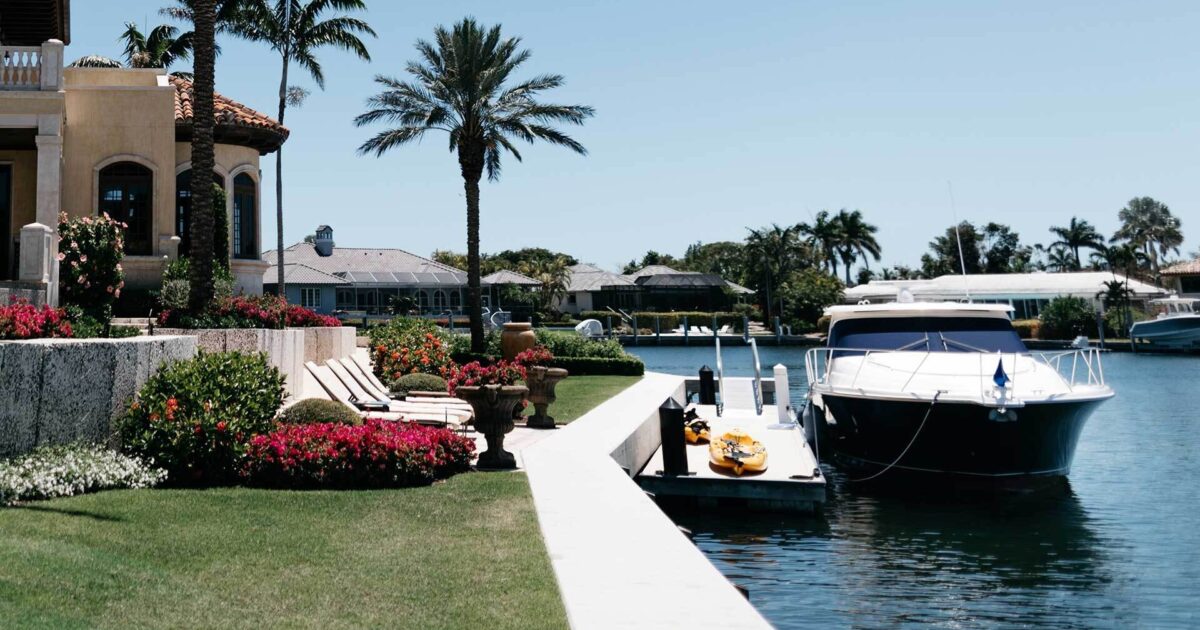
Trailer coverage in watercraft insurance is a crucial aspect that ensures both your watercraft and its trailer are protected against potential damages. With the rising popularity of water activities, understanding this coverage can offer peace of mind for owners, as it safeguards against various risks that may arise while towing. By diving into the specifics of trailer coverage, we can better appreciate its benefits and how it differs from standard watercraft insurance, making us informed and prepared for any watercraft adventures.
This discussion will highlight the importance of trailer coverage, the types of damages it protects against, and how it complements other insurance types, ensuring a comprehensive approach to safeguarding your recreational investments.
Understanding Trailer Coverage in Watercraft Insurance
Trailer coverage is a crucial component of watercraft insurance policies, protecting your investment beyond just the watercraft itself. When you own a boat, you often need a trailer to transport it, which can be susceptible to various risks. Understanding the importance of trailer coverage helps ensure that you are adequately protected against potential damages that could occur while towing or storing your trailer.Trailer coverage typically includes protection against physical damage, theft, and liability.
This coverage is essential because trailers, like boats, can encounter accidents, adverse weather conditions, or vandalism. By having trailer coverage, you safeguard against significant out-of-pocket expenses that could arise from such unfortunate events.
Types of Damages Covered by Trailer Coverage
Trailer coverage provides a comprehensive layer of protection that encompasses various potential damages. It is important to recognize what specific incidents are covered to make informed decisions about your insurance policy. The following types of damages are typically included:
- Collision Damage: Coverage for damages sustained during accidents while towing your trailer.
- Theft Loss: Protection against the loss of your trailer due to theft or attempted theft.
- Vandalism: Coverage for damages resulting from intentional acts of destruction.
- Weather-Related Incidents: Protection against damages caused by severe weather, such as hail or flooding.
- Fire Damage: Coverage for losses resulting from fires, whether originating from the trailer or external sources.
Understanding these covered damages is essential in maintaining the integrity of your watercraft insurance and ensuring you remain financially secure.
Differences Between Trailer Coverage and Standard Watercraft Insurance
While standard watercraft insurance primarily focuses on the protection of the boat itself, trailer coverage specifically addresses the risks associated with the trailer. This distinction is vital for owners to grasp, as not all watercraft insurance policies automatically include trailer coverage. Standard watercraft insurance typically covers:
- Physical Damage to the Boat: Damages to the boat from collision, theft, or fire.
- Liability Coverage: Protection against third-party claims for bodily injury or property damage.
- Medical Payments: Coverage for medical expenses incurred due to accidents involving the insured watercraft.
In contrast, trailer coverage is designed to cover the specific risks associated with the trailer itself. This can include damages that occur while the trailer is detached from the vehicle or during transport.
“Ensuring that you have adequate trailer coverage is as essential as protecting your boat, as both are critical to your enjoyment and safety on the water.”
Understanding these differences allows boat owners to tailor their insurance policies, ensuring comprehensive protection for both their watercraft and their trailers.
Types of Insurance Related to Watercraft Coverage
When it comes to protecting your watercraft, understanding the various types of insurance available is essential. Watercraft insurance does not exist in a vacuum; it can be compared to other insurance types, such as pet insurance, and can be supplemented or complemented with policies like travel insurance. Each type offers unique features that are worth exploring to ensure comprehensive coverage.
Watercraft Insurance Compared to Pet Insurance
Both watercraft insurance and pet insurance provide vital protection, yet they cater to different needs. Watercraft insurance typically covers damage to the vessel itself, liability for injuries or damage caused to others, and sometimes, additional coverage for equipment and accessories. In contrast, pet insurance focuses on health-related expenses for pets, including veterinary care, surgeries, and medications.
Key differences in coverage limits and exclusions include:
- Coverage Limits: Watercraft insurance limits often depend on the vessel’s value and the extent of coverage chosen, while pet insurance limits vary widely based on the plan, often capping annual payouts.
- Exclusions: Watercraft policies may exclude coverage for damage caused during racing or while under the influence of alcohol, whereas pet insurance may not cover pre-existing conditions or breed-specific issues.
It’s crucial to understand these differences to ensure proper coverage in both scenarios.
Enhancing Watercraft Insurance with Supplemental Insurance
Supplemental insurance can significantly bolster your watercraft insurance policy, offering enhanced protections that standard policies might lack. This type of insurance can be beneficial in various scenarios, providing coverage for items such as:
- Medical Payments: Covers medical expenses for injuries sustained while riding in or on your watercraft.
- Environmental Damage: Addresses costs associated with pollution or spills caused by your vessel.
- Uninsured Boater Coverage: Protects against damages caused by another boater who lacks insurance.
By considering supplemental options, boat owners can enjoy peace of mind knowing they have robust protection against unforeseen circumstances.
Travel Insurance and Its Relevance When Traveling with Watercraft
Travel insurance plays a crucial role when planning trips that involve watercraft, particularly in covering unforeseen events that could disrupt travel plans. Key aspects to consider include:
- Cancellations: If a trip is canceled due to illness, bad weather, or other unforeseen events, travel insurance can reimburse non-refundable expenses.
- Health Coverage Abroad: If traveling internationally with watercraft, health insurance can cover medical emergencies that arise during the trip.
- Personal Belongings: Coverage for loss or theft of personal items, including equipment and gear associated with watercraft activities.
Travel insurance ensures a smoother experience, allowing adventurers to focus on enjoying their time on the water rather than worrying about unexpected hiccups.
Additional Insurance Considerations
When it comes to securing watercraft, understanding the nuances of insurance coverage can significantly enhance protection for owners. Beyond basic policies, additional insurance options can provide vital safeguards against unforeseen incidents. This section delves into key insurance features that broaden coverage and bolster liability protection for watercraft enthusiasts.
Umbrella Insurance for Extra Liability Protection
Umbrella insurance acts as an additional layer of liability coverage that kicks in when the limits of your primary insurance policies have been reached. This type of insurance is particularly important for watercraft owners, as incidents on the water can lead to significant damages or injuries that exceed standard policy limits.
- Broad Coverage: Umbrella insurance extends to various liabilities, including those that may not be covered under primary watercraft insurance policies, offering peace of mind.
- Cost-Effective: Given its expansive coverage, umbrella policies are often relatively inexpensive compared to the amount of extra liability they provide.
- Protection Against Lawsuits: In the event of a major incident, umbrella insurance can cover legal fees and settlements that arise from lawsuits, protecting your financial stability.
“Umbrella insurance fills the gaps left by your primary insurance, ensuring comprehensive protection against significant liabilities.”
Importance of Vision Insurance for Watercraft Operators
Vision insurance, while often overlooked, plays a critical role in ensuring safety for watercraft operators. Good vision is essential for navigating waterways and avoiding accidents. Vision-related issues can greatly increase the risk of mishaps, making this insurance an important consideration for those who frequently operate watercraft.
- Enhanced Safety: Regular vision coverage helps in maintaining healthy eyesight, reducing the chances of accidents caused by visibility issues.
- Cost of Eye Care: Covers expenses related to eye exams, corrective lenses, and other vision-related necessities, ensuring operators can see clearly while on the water.
- Preventive Care: Encourages regular check-ups to catch and address vision problems early, contributing to overall safety measures on the water.
“Investing in vision care significantly minimizes risks associated with impaired visibility while operating a watercraft.”
Comprehensive Coverage Options for Watercraft
Comprehensive coverage is crucial for watercraft owners as it encompasses protection against a wide range of potential risks. This type of coverage ensures that all aspects of the watercraft are protected under one insurance policy, simplifying management and enhancing security.
- All-Encompassing Protection: Comprehensive coverage typically includes damage from incidents not limited to collisions, such as theft, vandalism, or natural disasters.
- Single Policy Management: By integrating various types of coverage into one policy, owners can streamline their insurance management while ensuring thorough protection.
- Peace of Mind: Knowing that all potential risks are covered under one comprehensive plan can provide reassurance, allowing owners to enjoy their time on the water without worry.
“Comprehensive coverage unifies all aspects of your watercraft insurance, ensuring peace of mind on every adventure.”
Ultimate Conclusion
In conclusion, recognizing the significance of trailer coverage in watercraft insurance not only enhances your protection but also empowers you to navigate your water adventures confidently. By understanding what is covered and how it interacts with other insurance policies, you can make informed decisions that best suit your needs. As you prepare for your next outing on the water, remember that adequate coverage is not just an option but a necessity for peace of mind and safety.
Clarifying Questions
What is trailer coverage in watercraft insurance?
Trailer coverage in watercraft insurance protects against damages to the trailer used to transport a watercraft, including accidents, theft, and weather-related incidents.
Does standard watercraft insurance cover trailer damages?
No, standard watercraft insurance typically does not cover trailer damages; you need specific trailer coverage for that protection.
How can I enhance my watercraft insurance?
Supplemental insurance can enhance watercraft insurance by providing additional coverage options, such as liability and personal property protection.
Is umbrella insurance beneficial for watercraft owners?
Yes, umbrella insurance can provide extra liability protection beyond standard watercraft insurance, offering broader coverage in case of significant claims.
What is the importance of comprehensive coverage for watercraft?
Comprehensive coverage is important as it protects against a wide range of risks, including theft, vandalism, and natural disasters, ensuring your investment is fully safeguarded.


